
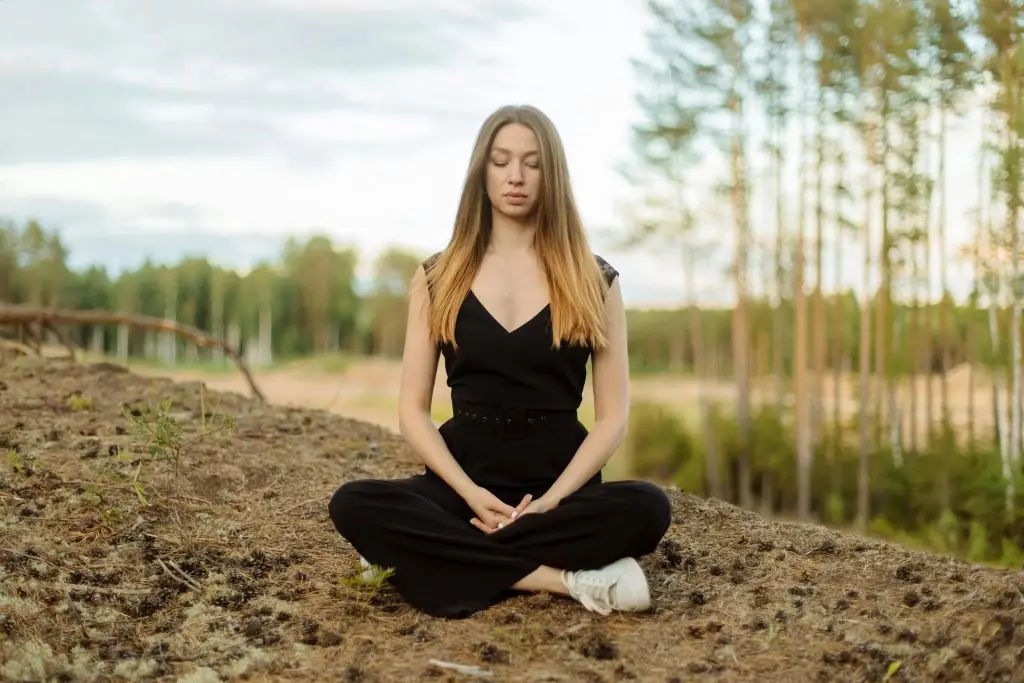

The Value of Being Present in a Distracted World
In today’s world, it is easy to move through life on autopilot. From the moment we wake up, our attention is pulled in countless directions. Constant stimulation in the form of notifications, social media, podcasts, music, streaming platforms, work demands are all endlessly competing for our attention. This never-ending stimulation has become so normal that silence and stillness can even feel uncomfortable.
While stimulation can feel comforting, constantly distracting ourselves often comes at a cost: we can lose connection and insight with/into our present emotions, thoughts, and overall selves.
Many people use distraction as a way to avoid difficult emotions or stress without even realizing it. When uncomfortable feelings arise (such as anxiety, loneliness, sadness, overwhelm, or uncertainty) it can feel easier to reach for our phones, stay busy, or fill every quiet moment with noise.
While this may provide temporary relief, emotions often need to be seen and understood to be processed, therefore avoiding them unfortunately does not make them disappear. In fact, over time, disconnection from our thoughts, emotions and internal needs can show up as burnout, emotional numbness, irritability, chronic stress, or feeling emotionally exhausted or overwhelmed.
However, it is important to note that our emotions do not only exist in the mind; they also live within the body. Stress may appear as tension in the shoulders, tightness in the chest, shallow breathing, fatigue, or restlessness. Our bodies often recognize what we need before our minds are ready to acknowledge it. When we slow down and become more present, we create space to notice these signals with compassion rather than judgment and in doing so we can understand the messages they’re trying to send.
Being present means allowing ourselves to fully experience the moment instead of constantly escaping it. It means learning to pause long enough to ask ourselves: What am I feeling right now? What does my body need? this can feel uncomfortable at first, it is also where growth and groundedness begin.
When we create moments of stillness, we become more emotionally aware and connected to ourselves. We begin to recognize when we need rest, support, boundaries, or healing. At the same time, we also become more open to positive experiences, such as joy, gratitude, creativity, peace, and meaningful connection, which are often missed when our attention is divided.
Presence also strengthens our relationships and overall sense of fulfillment. When we are truly present, conversations become deeper, experiences feel richer, and life feels more authentic. We are better able to connect not only to ourselves but with others as well.
Practicing presence does not require dramatic changes. It can begin with small intentional moments throughout the day such as taking a walk in nature, eating without scrolling on your phone, taking a few deep breaths and/or checking in with your body and emotions throughout the day. These small moments can help us check in with our internal world, regulate the nervous system and remind us that it is safe to slow down, reflect, and feel.
In a world designed to constantly capture our attention, choosing presence is an act of self-awareness, emotional strength, and healing. The more we learn to slow down and reconnect with ourselves, the more grounded, balanced, and fulfilled we become.
Sometimes the most powerful thing we can do is simply pause long enough to truly listen to what our mind and body have been trying to tell us all along.
If you’re feeling overwhelmed, disconnected, or emotionally exhausted, our team can help you in slowing down, reconnecting with yourself, and creating more balance and presence in your daily life.
Further Reading

How Blue Light Affects Sleep and Mood (and What Actually Helps)
Late-night scrolling may seem harmless, but blue light can quietly disrupt sleep and mood by keeping the brain in “daytime” mode long after the sun

Burnout Isn’t Just Stress: How to Recognize the Signs and Begin Healing
Stress can be motivating in small doses, but burnout is deeper: a state of nervous system exhaustion that leaves the body depleted.

Overwhelmed and Scrolling? How Somatic Strategies Can Help You Reconnect Instead
Life is busy, and distractions like phones or shows can feel like the easiest way to cope. Taking a few minutes to check in with