
How Movement Helps You Feel More in Control of Your Emotions

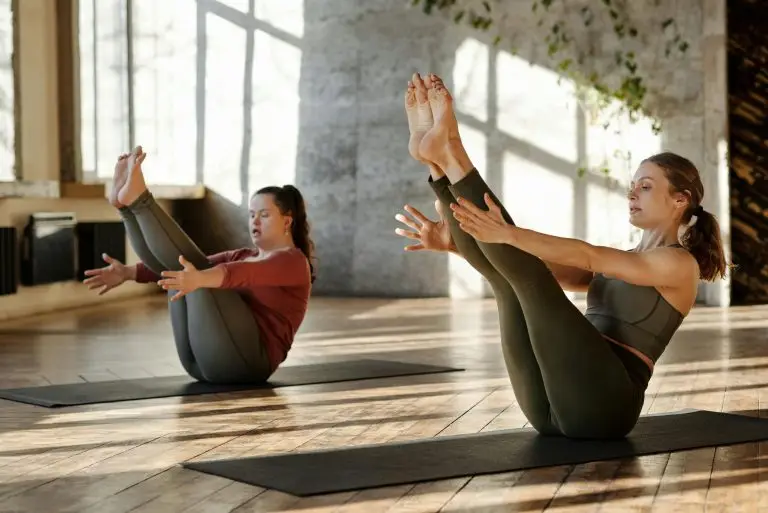
Group of women practicing yoga

Do you ever feel like your emotions hit you like a tidal wave, leaving you overwhelmed and unsure how to calm down? You’re not alone. Many people struggle with intense feelings that seem to come out of nowhere, making daily life feel unpredictable and exhausting.

Here’s something that might surprise you: the path to emotional balance often starts not in your mind, but in your body.

Your Body Holds the Key to Emotional Regulation

Research shows that our emotions aren’t just “in our heads”, they live in our entire body. When we’re stressed, anxious, or triggered, our nervous system activates before our conscious mind even realizes what’s happening. This is why you might notice your heart racing or shoulders tensing before you’re aware you’re feeling upset.

Movement practices like yoga work with this body-mind connection. According to the National Centre for Complementary and Integrative Health, yoga activates your parasympathetic nervous system: the part responsible for rest, calm, and healing. This creates a foundation for emotional stability that starts from the ground up.

How Gentle Movement Rewires Your Stress Response

When you move mindfully, you’re literally teaching your nervous system new patterns. Simple practices like slow stretching, conscious breathing, or gentle yoga poses send signals to your brain that you’re safe. Over time, this helps you:

– Notice emotional shifts earlier, before they become overwhelming

– Access tools to calm yourself in real-time

– Build confidence in your ability to handle difficult feelings

– Create space between feeling and reacting

Studies show that people who practice yoga regularly develop better emotional regulation skills, even outside their practice time.

Starting Small: Movement for Real Life

You don’t need to become a yoga expert or spend hours stretching. Small, consistent practices often create the biggest changes. Try gentle approaches like taking three deep breaths while stretching your arms overhead, doing shoulder rolls when you notice tension building, or practicing slow, mindful walking for just five minutes.

The key is tuning into what your body needs in each moment, rather than pushing through discomfort or forcing specific poses.

Why This Approach Works for Trauma Survivors

For people who’ve experienced trauma, traditional “think your way through it” approaches can sometimes feel impossible when emotions are intense. Movement-based healing works with your body’s natural wisdom, helping you rebuild trust in your own nervous system.

This “bottom-up” approach recognizes that healing happens through the body, not just the mind. When combined with other support, gentle movement can be a powerful tool for reclaiming emotional balance and feeling more like yourself again.

If you’d like support exploring how movement and nervous system work can help you feel more regulated, our team can help.


Further Reading